
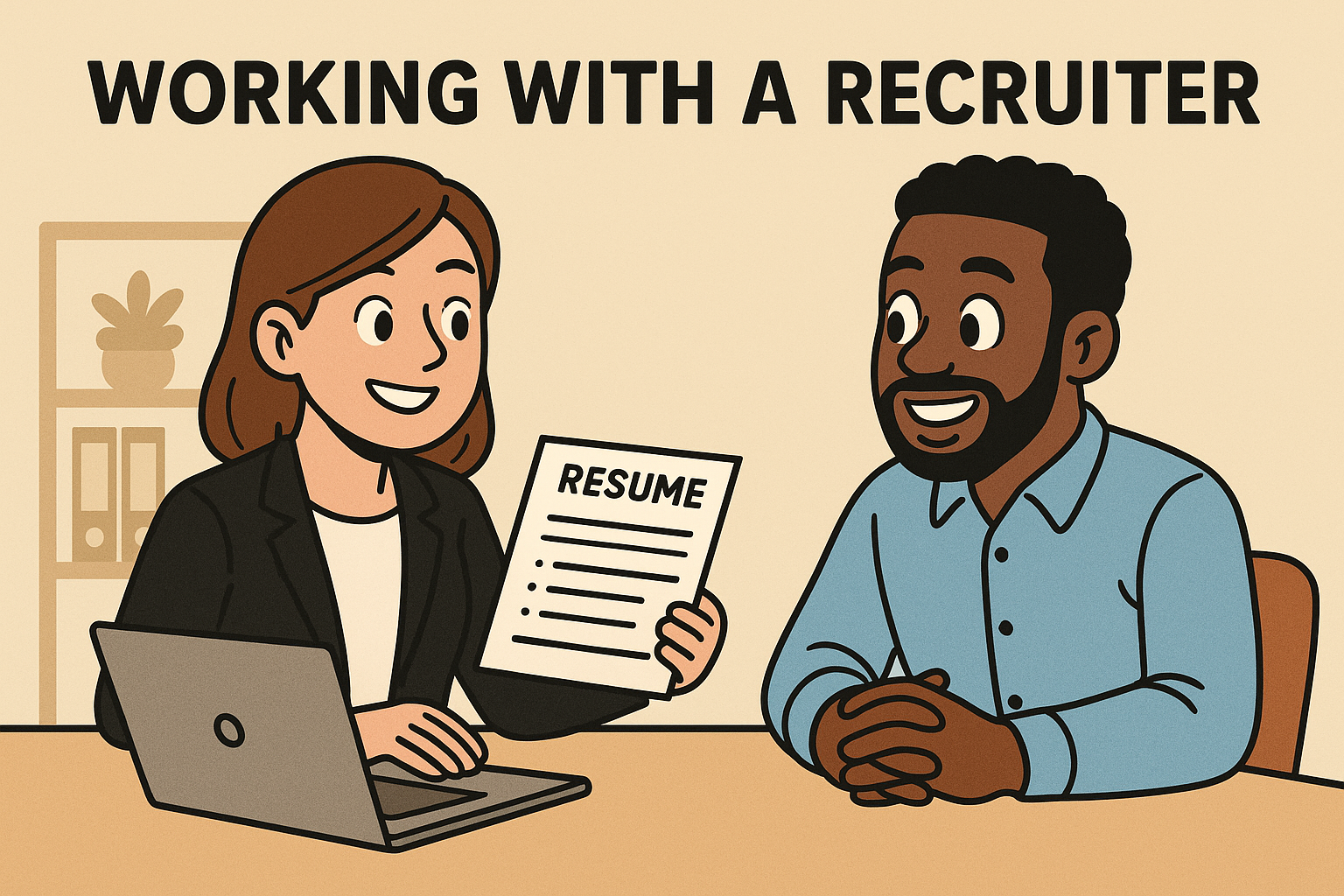
In today’s competitive job market, working with a recruiter can be one of the smartest career moves you make. Whether you’re passively exploring new opportunities or actively searching for your next role, a skilled recruiter can open doors, streamline the hiring process, and help you stand out to top employers.
This guide breaks down exactly how to work effectively with a recruiter—and how to turn the partnership into real results.
Why Working With a Recruiter Matters More Than Ever
Recruiters have access to something most job seekers don’t:
hidden job markets, insider information, and hiring manager decision-making processes.
With many positions never publicly posted, partnering with a recruiter can dramatically expand your reach, especially in fields like engineering, healthcare, IT, finance, and skilled trades.
Key advantages of working with a recruiter:
Direct access to unlisted job opportunities
A professional advocate highlighting your strengths to employers
Resume and interview coaching tailored to your industry
Insights on company culture, hiring timelines, and compensation benchmarks
Faster feedback and a more streamlined hiring process
How to Choose the Right Recruiter
Not all recruiters operate the same way. Some work for agencies, some are in-house corporate recruiters, and others specialize by industry.
Look for these qualities:
1. Industry Expertise
A recruiter who specializes in your field understands the skills employers value—and how to market your background effectively.
2. Transparent Communication
You should always know where you stand in the process. Good recruiters set expectations, follow up promptly, and offer honest guidance.
3. A Strong Employer Network
Ask which types of companies they work with, recent placements they’ve made, and whether they have direct access to hiring managers.
How to Work Effectively With Your Recruiter
Be Clear About Your Goals
Share your career priorities from the start: salary expectations, locations, job titles, company types, and long-term growth goals.
Be Responsive
Hiring moves quickly. Timely communication increases your chances of being submitted—and selected.
Be Honest About Your Background
Recruiters can work with almost any situation, but surprises can derail the process. Transparency builds trust.
Treat Your Recruiter Like a Partner, Not a Gatekeeper
Your recruiter’s success is tied to yours. The better the collaboration, the better the outcome.
What a Recruiter Can and Can’t Do for You
What they can do:
Market your resume to employers
Prepare you for interviews
Negotiate offers on your behalf
Provide industry salary insights
Give personalized career advice
What they can’t do:
Guarantee you a job
Control employer timelines
Rewrite your employment history
Apply for roles without your consent
Understanding these boundaries helps ensure a productive partnership.
The Most Common Mistakes Job Seekers Make With Recruiters
Avoid these pitfalls:
Submitting your resume to the same companies your recruiter is contacting
Ignoring recruiter feedback
Applying to multiple roles without coordination
Expecting daily updates when there’s no news
Treating recruiters as transactional instead of relational
Building a long-term connection pays off—many candidates receive multiple placements over the span of their career.
Working with a recruiter can significantly accelerate your job search—if you communicate openly, respond promptly, and treat the relationship as a partnership. Recruiters offer access to hidden opportunities, insider guidance, and expert support that can give you an edge in today’s competitive hiring landscape.
FAQs
Do I have to pay a recruiter?
No. Reputable staffing firms are paid by employers, not job seekers.
Can I work with multiple recruiters?
Yes—but keep communication clear to avoid duplicate submissions to the same employers.
Should I still apply for jobs on my own?
Absolutely. A recruiter expands your reach but shouldn’t replace your own job search efforts.
How fast can a recruiter find me a job?
It varies. Some placements happen in days; others take weeks or months depending on industry demand.