
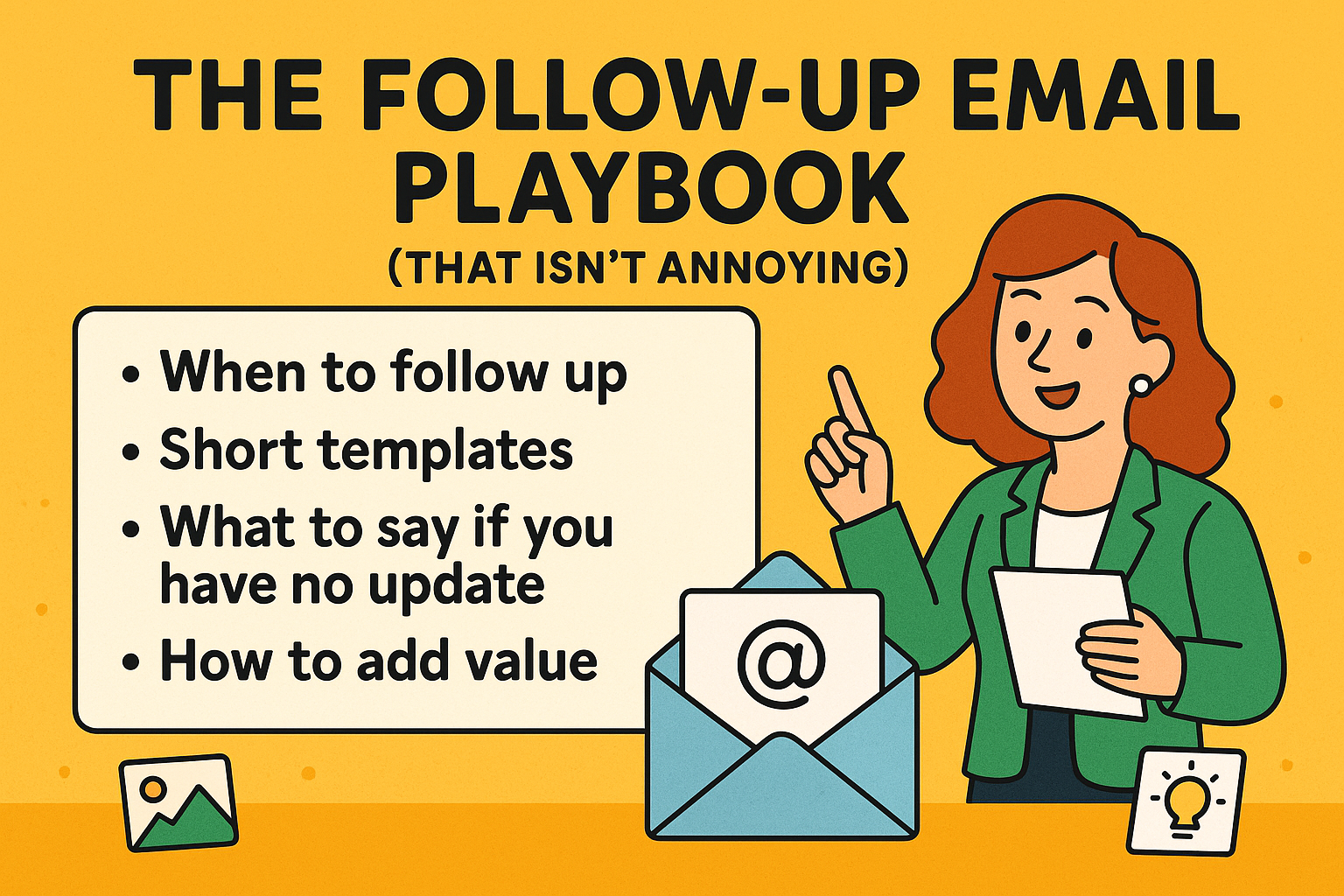
Following up is one of the most underestimated skills in professional communication. Whether you’re reaching out after a job application, an interview, a proposal, or a networking introduction, the concern is always the same: How do I follow up without coming across as annoying? The truth is that most people aren’t ignoring your message—they’re overwhelmed. A well-crafted follow-up doesn’t feel pushy; it feels proactive. When done right, it lifts your message back to the top of someone’s inbox and signals reliability, engagement, and genuine interest.
The Right Time to Send a Follow-Up
Timing is everything. After submitting an application or inquiry, waiting five to seven business days shows both patience and initiative. For interviews, follow-ups come in two phases—a thank-you note within 24 hours, and a check-in five to seven business days later unless you were given a specific timeline. In that case, it’s perfectly acceptable to follow up the day after the expected date passes. When you’re waiting on feedback for documents, proposals, or project materials, three to four business days is generally appropriate. And if you’re following up after complete silence, spacing each message about a week apart maintains professionalism without overwhelming the recipient.
What to Say When You Don’t Have an Update
There are times when you need to follow up even though nothing has changed on your end. Instead of leaning on the default “just checking in,” which can inadvertently sound impatient, it’s better to acknowledge the other person’s workload. A message like, “Hi [Name], I wanted to follow up in case my earlier email got buried. No rush on your end—just let me know if there’s anything you need from me in the meantime,” maintains forward momentum without pressure. You’re signaling that you’re available, not demanding attention.
How to Add Value So You Never Feel Annoying
One of the most effective ways to elevate your follow-ups is by including something useful. This doesn’t mean overwhelming the recipient with long attachments or detailed explanations. It simply means sharing something that helps them make a decision or better understand your capabilities. A relevant portfolio sample, a small insight related to the project or role, or a helpful resource can all transform your follow-up from a reminder into a contribution. When your email offers value rather than just nudging for an answer, it becomes a welcome addition to someone’s inbox.
Short Templates for Polished, Non-Pushy Follow-Ups
Templates can make follow-ups feel effortless without sacrificing professionalism. A standard follow-up might sound like: “Hi [Name], just wanted to follow up in case my previous note slipped through. I’m happy to resend anything or answer any questions.” If you want to include something useful, you could say: “Hi [Name], following up on my earlier message. I’m attaching a recent example of similar work—thought it might be helpful as you review.” When you need to maintain the thread without new information, a gentle note works well: “Hi [Name], no urgency at all—just keeping this on your radar. Let me know if there’s anything you need.” And for a final attempt, a respectful closing message like: “Hi [Name], circling back one last time. If now isn’t the right time, no worries at all—happy to reconnect down the road,” helps you conclude without burning bridges.
Follow-ups are effective when they’re respectful, concise, and thoughtful. Adding value wherever possible helps shift the tone from a push for a response to genuine support for the recipient’s decision-making process. Keeping messages spaced appropriately—usually five to seven business days apart—prevents overwhelm and maintains your professionalism. Ultimately, the goal isn’t to pressure someone into replying; it’s to stay present, helpful, and top of mind.
FAQ: The Follow-Up Email Playbook
Q: How soon is too soon to follow up?
A: Following up within 24–48 hours (unless it’s a thank-you note after an interview) is usually too soon. Most situations call for waiting at least three to seven business days, depending on context.
Q: How many follow-ups are acceptable?
A: Two to three follow-ups are standard. After that, it’s best to pause unless you have something genuinely new or valuable to share.
Q: Will following up make me look pushy?
A: Not if your message is polite, spaced out, and respectful. Most people appreciate a reminder because inboxes are crowded and emails get buried easily.
Q: What if I have nothing new to update them on?
A: It’s still okay to follow up. Just acknowledge that you’re checking in and make it easy for them to respond. Even a short line like, “No rush on your end—just keeping this on your radar,” works well.
Q: Should I follow up if they said they’d get back to me by a certain date?
A: Yes—if that date passes without a response, it’s appropriate to send a polite follow-up the next business day.
Q: Is it better to call instead of emailing?
A: Only if the relationship or industry norms support it. Otherwise, email is safer and more professional for the majority of follow-ups.
Q: What should I do if I never hear back?
A: If multiple attempts go unanswered, move on gracefully. The silence may have nothing to do with you. Leaving the door open keeps your professional reputation intact.