Job Seekers

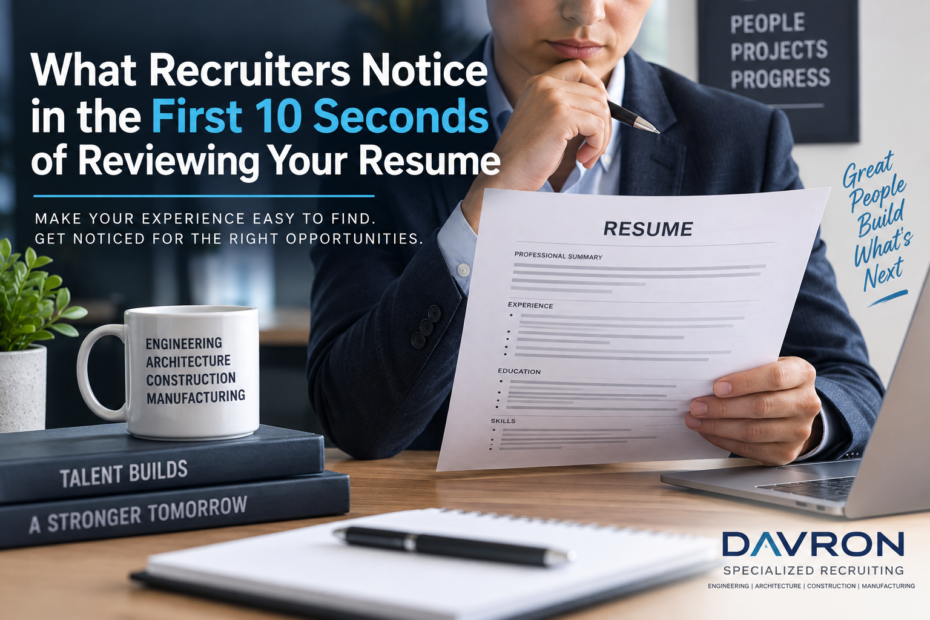
What Recruiters Notice in the First 10 Seconds of Reviewing Your Resume

A recruiter’s first look at your resume is rarely about making a final decision on your candidacy. It is about answering a much faster question: Does this person appear relevant enough to the position for me to keep reading? During that initial scan, recruiters are looking for signals that quickly… Read More »What Recruiters Notice in the First 10 Seconds of Reviewing Your Resume
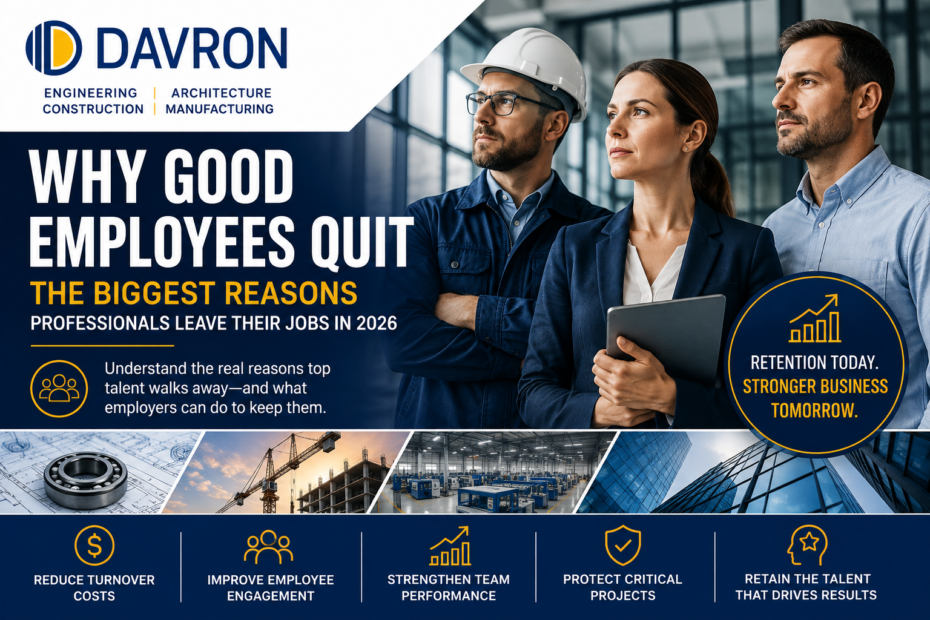
DAVRON cover image showing engineering, construction, architecture, and manufacturing professionals with the headline “Why Good Employees Quit: The Biggest Reasons Professionals Leave Their Jobs in 2026”

Why Good Employees Quit in 2026: The Biggest Reasons Professionals Leave—and What Employers Can Do About It

Good employees usually do not quit because of one bad day. They leave after a pattern develops: compensation falls behind, advancement stalls, workloads become unsustainable, management problems remain unresolved, expectations change, or another employer presents a more attractive future. For employers, the resignation of a strong employee is more than… Read More »Why Good Employees Quit in 2026: The Biggest Reasons Professionals Leave—and What Employers Can Do About It

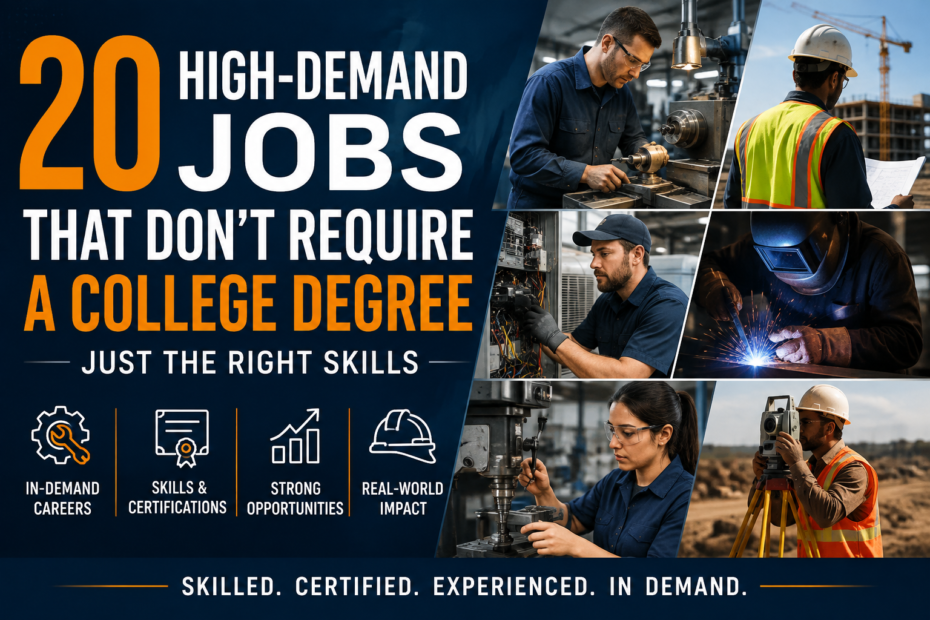
20 High-Demand Jobs That Don’t Require a College Degree — Just the Right Skills

If you need to fill a skilled position now, requiring a four-year degree by default may be eliminating candidates who already know how to do the work. For many technical, construction, manufacturing, and engineering-support positions, employers can evaluate candidates based on demonstrated competency, relevant experience, technical training, certifications, licenses, apprenticeships,… Read More »20 High-Demand Jobs That Don’t Require a College Degree — Just the Right Skills

Why Counteroffers Fail: What Employers and Employees Should Know Before Making or Accepting One

When a key employee resigns, the problem can become operational almost immediately. A mechanical engineer may be responsible for a critical design package. A construction project manager may be coordinating a project with an aggressive schedule. A manufacturing engineer may be supporting a production line that cannot afford additional disruption.… Read More »Why Counteroffers Fail: What Employers and Employees Should Know Before Making or Accepting One

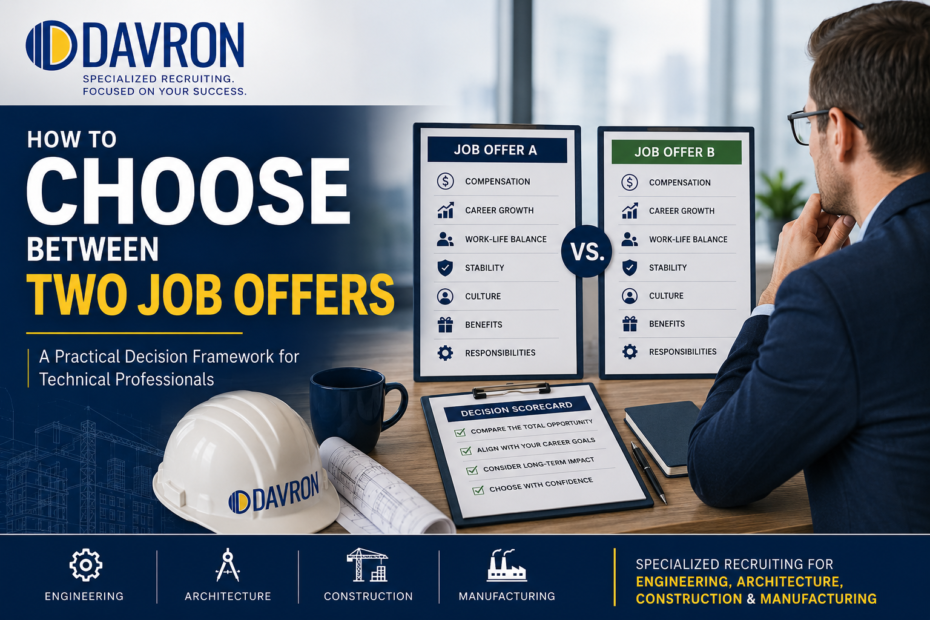
DAVRON guide comparing two job offers based on compensation, career growth, work-life balance, stability, benefits, and responsibilities.

How to Choose Between Two Job Offers: A Practical Decision Framework for Technical Professionals

Receiving two job offers at the same time is a strong position to be in—but it can also make an important career decision surprisingly difficult. The higher-paying offer is not automatically the better offer. A salary difference that looks significant today may matter far less than the quality of the… Read More »How to Choose Between Two Job Offers: A Practical Decision Framework for Technical Professionals

Two engineers wearing safety gear review automation systems on a laptop inside a modern manufacturing facility with robotic arms, illustrating how industrial automation is increasing demand for skilled engineers.

Automation Is Increasing Demand for Skilled Engineers—Not Replacing Them​

Manufacturers, construction firms, engineering companies, and industrial organizations are investing heavily in automation to improve productivity, reduce costs, and stay competitive. While headlines often suggest that automation and artificial intelligence (AI) will replace engineering jobs, the reality is far different. For employers, automation is creating a greater need for highly… Read More »Automation Is Increasing Demand for Skilled Engineers—Not Replacing Them​

Construction Salary Guide 2026: Current Pay Trends, Hiring Costs, and Compensation Benchmarks for Employers

Hiring the right construction professionals has never been more important—or more challenging. Whether you’re staffing a commercial high-rise, industrial facility, infrastructure project, or residential development, competitive compensation is one of the biggest factors influencing your ability to attract qualified candidates. Today’s construction professionals have more employment options than ever. If… Read More »Construction Salary Guide 2026: Current Pay Trends, Hiring Costs, and Compensation Benchmarks for Employers

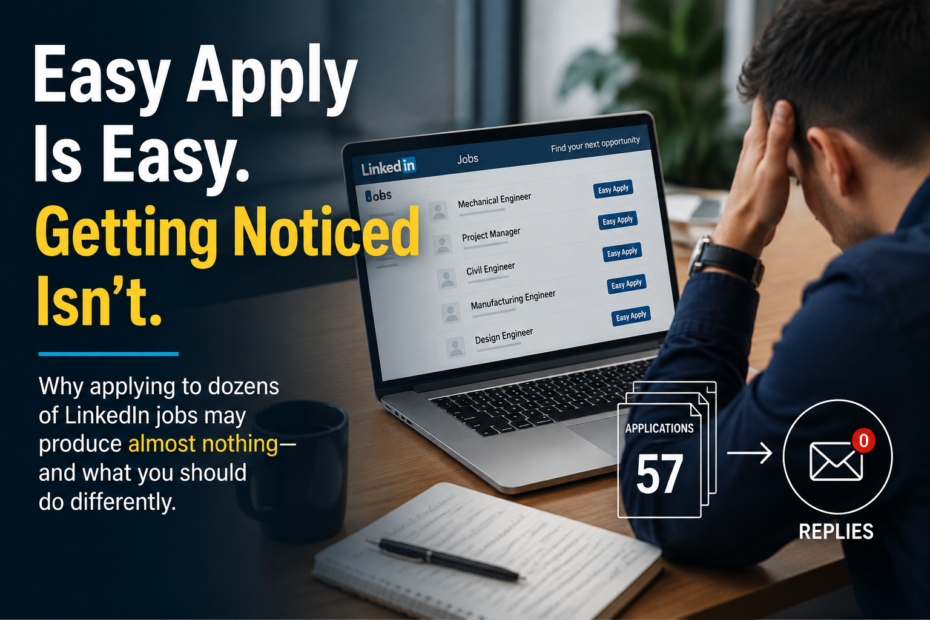
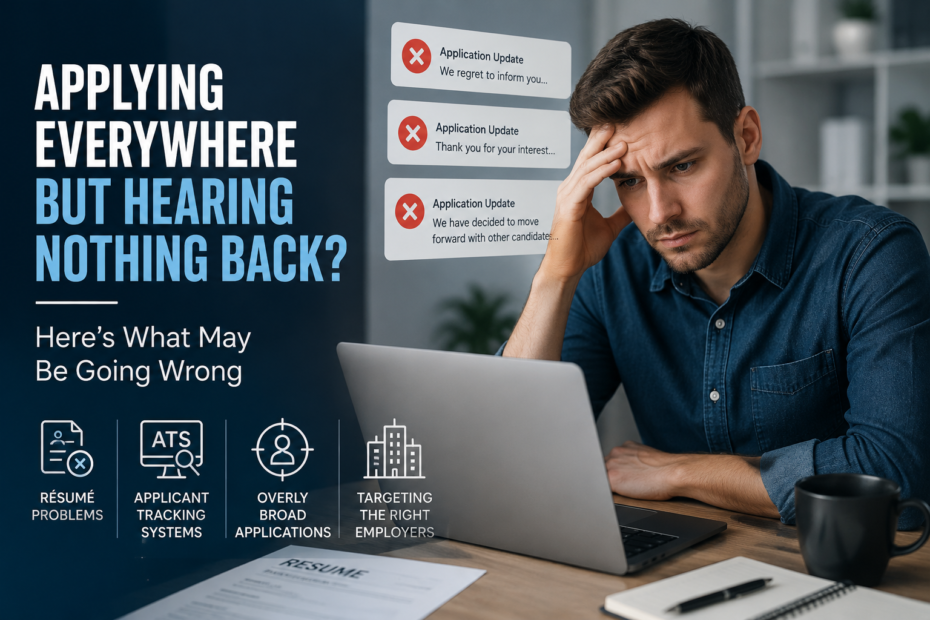
Applying Everywhere but Hearing Nothing Back? Here’s What May Be Going Wrong

Submitting dozens—or even hundreds—of job applications without getting a response can be discouraging. If you’re qualified but aren’t landing interviews, the problem often isn’t your experience—it’s how you’re approaching your job search. Today’s hiring process is more competitive and more automated than ever, meaning even strong candidates can be overlooked… Read More »Applying Everywhere but Hearing Nothing Back? Here’s What May Be Going Wrong

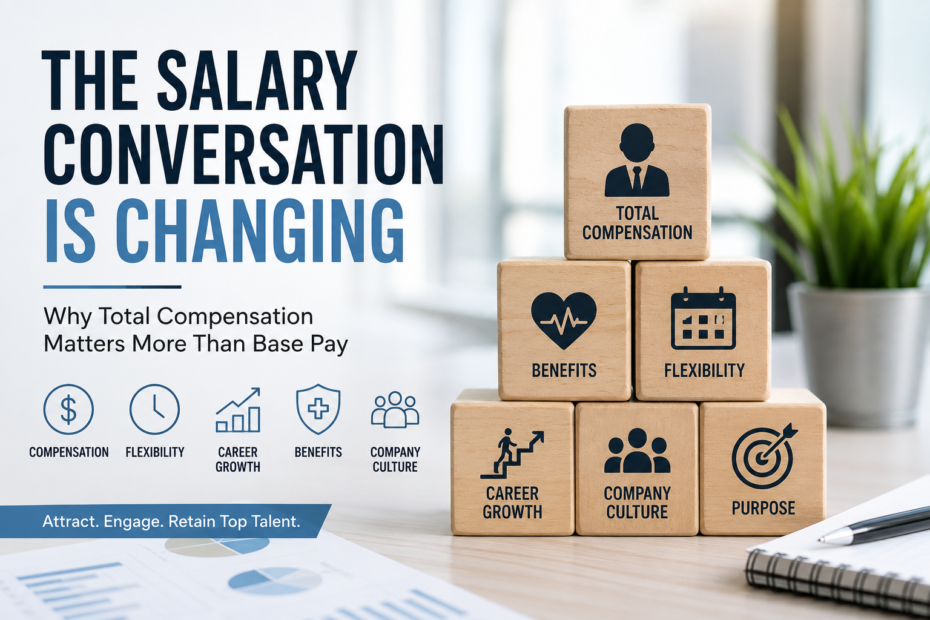
The Salary Conversation Is Changing: Why Total Compensation Matters More Than Base Pay

Hiring top engineering, architecture, construction, and manufacturing professionals has become about much more than offering the highest salary. While competitive pay remains important, today’s candidates evaluate the entire employment experience before accepting an offer. Employers that focus exclusively on base salary often lose qualified professionals to organizations that better communicate… Read More »The Salary Conversation Is Changing: Why Total Compensation Matters More Than Base Pay

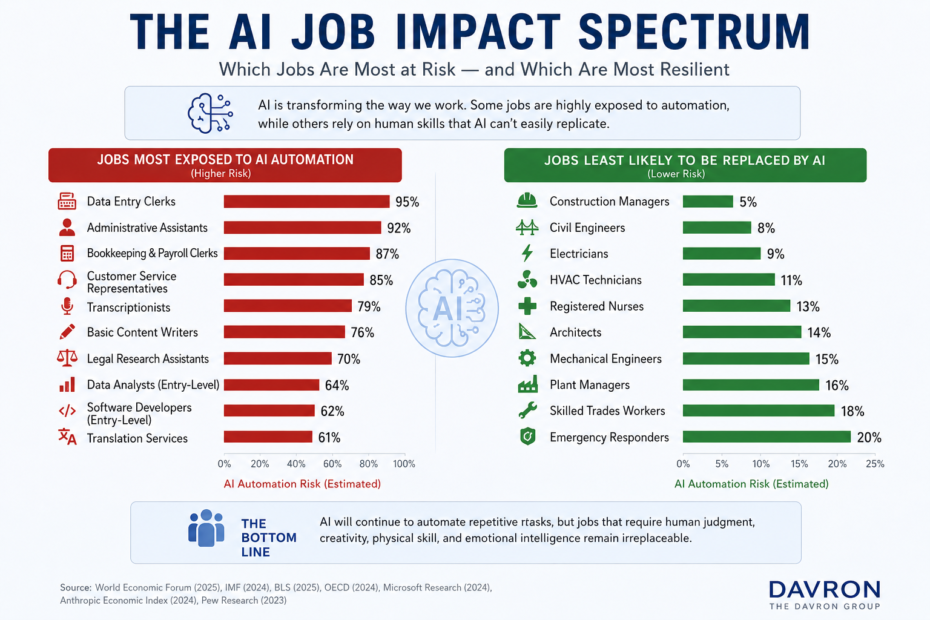
How Many Jobs Is AI Really Replacing? What the Data Actually Says About the Future of Work

Artificial intelligence has become one of the most talked-about technologies in modern history. Depending on who you ask, AI is either the greatest productivity tool since the internet or an existential threat to millions of jobs. Headlines frequently claim that AI will eliminate hundreds of millions of jobs, while others… Read More »How Many Jobs Is AI Really Replacing? What the Data Actually Says About the Future of Work

Company Culture: The Competitive Advantage That Attracts Top Engineering Talent

When engineering employers struggle to attract experienced professionals, the first instinct is often to increase salaries or expand benefits. While competitive compensation certainly matters, it is rarely the deciding factor for today’s top engineering talent. Mechanical engineers, civil engineers, manufacturing engineers, project managers, and other highly skilled professionals frequently evaluate… Read More »Company Culture: The Competitive Advantage That Attracts Top Engineering Talent

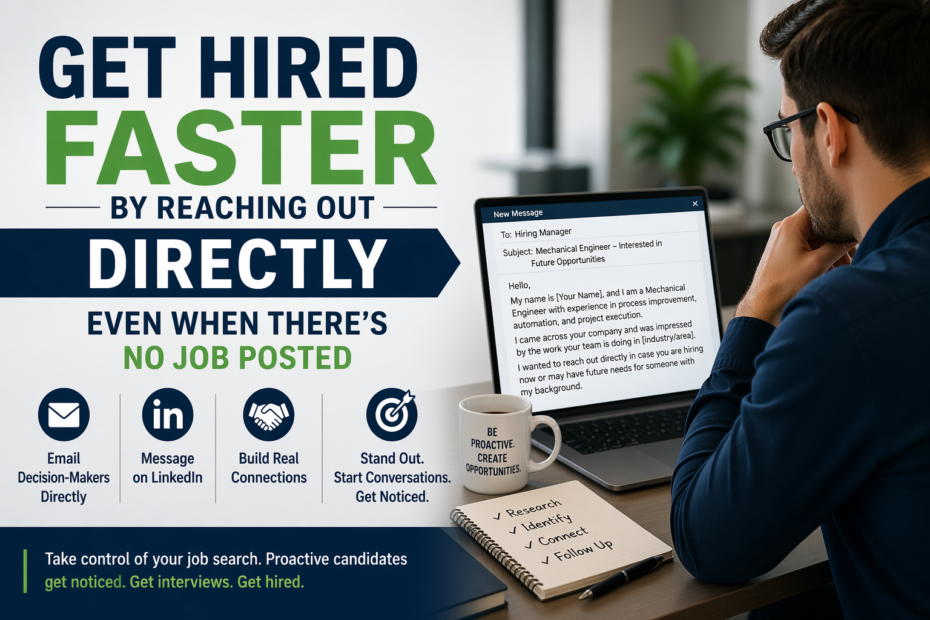
Candidate writing a direct outreach email to a hiring manager with job search icons for email, LinkedIn, networking, and standing out

How to Get Hired Faster by Reaching Out Directly (Even When There’s No Job Posted)

Applying online is not always enough. Many candidates wait for the right job posting, submit a resume, and hope someone responds. The problem is that by the time a role is posted, dozens—or hundreds—of people may already be applying. In technical fields like engineering, architecture, construction, and manufacturing, some opportunities… Read More »How to Get Hired Faster by Reaching Out Directly (Even When There’s No Job Posted)

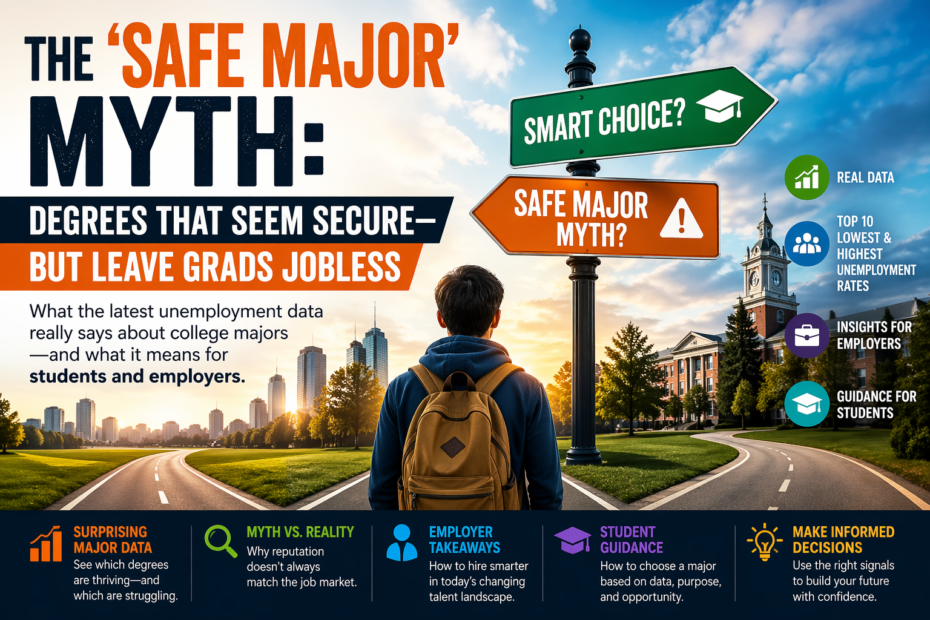
Bright, high-energy cover image showing a college student at a campus crossroads facing signs that question the “safe major” myth, with bold headline text and visual callouts about unemployment data, employer insights, and student guidance.

The “Safe Major” Myth: Degrees That Seem Secure—But Leave Grads Jobless

Some degrees get treated like insurance policies. They are framed as practical, stable, employable, and less risky than other fields of study. Parents recommend them. Advisors repeat them. Students hear the same message often enough that it starts to sound like fact: choose the “safe” major, and the job market… Read More »The “Safe Major” Myth: Degrees That Seem Secure—But Leave Grads Jobless

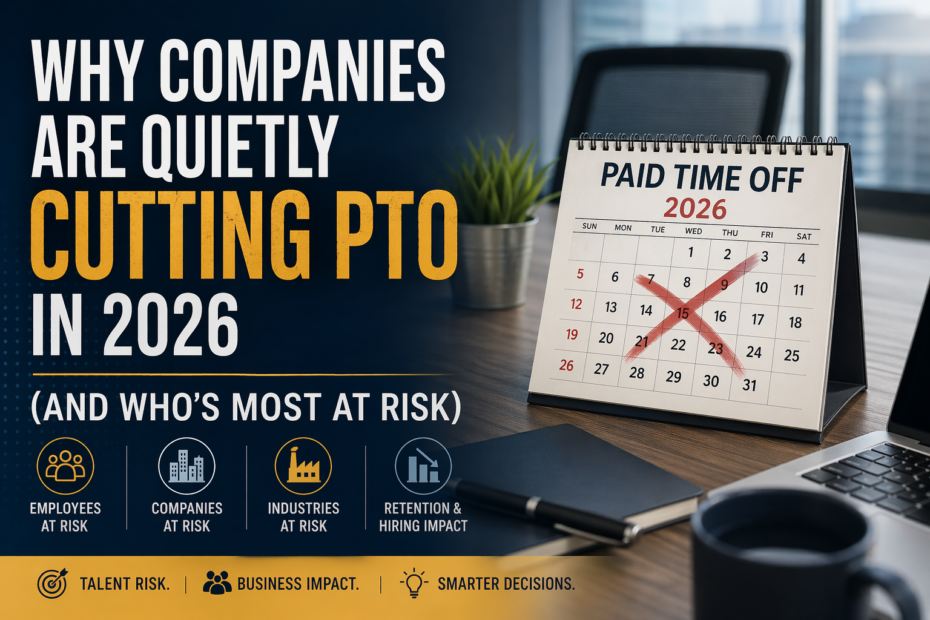
Professional cover image with bold headline about companies quietly cutting PTO in 2026, alongside a desk calendar marked “Paid Time Off 2026” with crossed-out dates, symbolizing reduced time-off benefits and the business risks for employees, companies, and industries.

“Why Companies Are Quietly Cutting PTO in 2026 (And Who’s Most at Risk)”

Some companies are not openly announcing major benefit rollbacks in 2026. They are doing something subtler: making paid time off less generous, less flexible, or harder to use in practice. On paper, that may look like a reasonable cost-control move. In reality, it can create problems that show up somewhere… Read More »“Why Companies Are Quietly Cutting PTO in 2026 (And Who’s Most at Risk)”

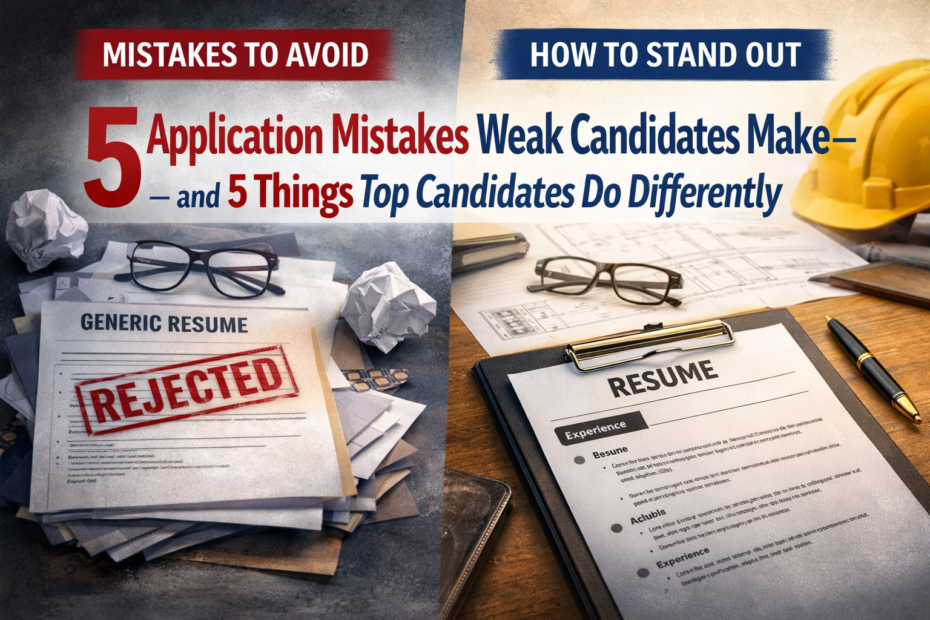
Split cover image showing weak candidate application mistakes on the left with a generic resume stamped rejected, and standout candidate habits on the right with a polished resume, plans, and a hard hat

5 Application Mistakes Weak Candidates Make — and 5 Things Top Candidates Do Differently

Employers do not just evaluate resumes to fill time in the hiring process. The application stage often reveals who is serious, who is prepared, and who is likely to perform well once hired. When weak applicants flood the pipeline, hiring teams lose time, internal productivity drops, and strong candidates can… Read More »5 Application Mistakes Weak Candidates Make — and 5 Things Top Candidates Do Differently

Two employees in identical jobs showing different levels of engagement and success, illustrating how mindset impacts career growth

Opportunity Isn’t Enough: Why Mindset Determines Success in the Same Job

Same Job, Different Outcomes—Why It Happens Give two people the exact same job, the same resources, and the same environment. Fast forward one year, and the results can look wildly different. One person has grown, innovated, and become indispensable. The other? They’ve simply maintained the status quo. What separates these… Read More »Opportunity Isn’t Enough: Why Mindset Determines Success in the Same Job

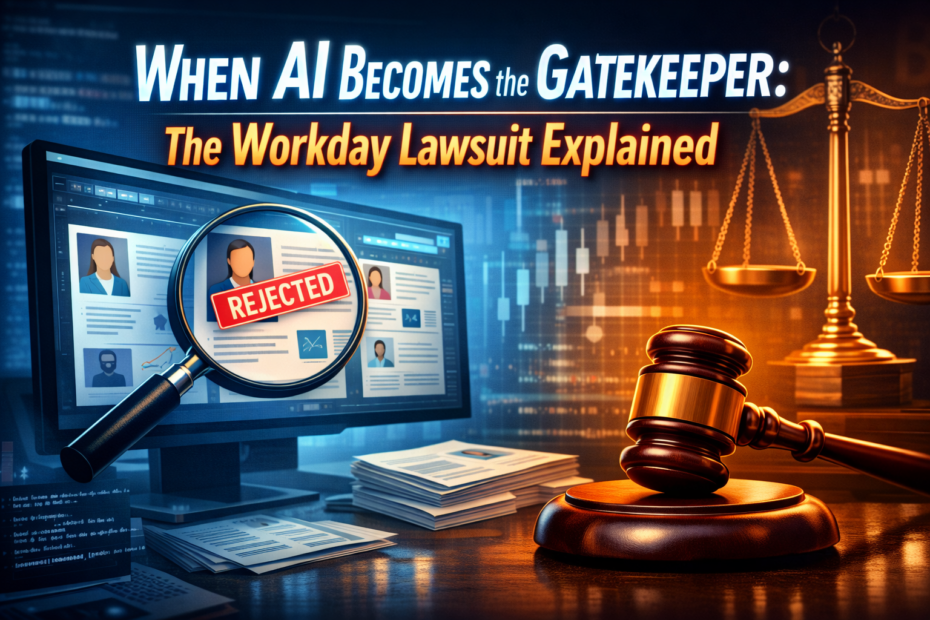
AI hiring software analyzing resumes with legal symbols representing the Workday lawsuit and algorithmic bias concerns.

When AI Becomes the Gatekeeper: The Workday Lawsuit Explained

Artificial intelligence is rapidly transforming how companies hire—but what happens when the technology meant to streamline hiring becomes the subject of legal scrutiny? A growing lawsuit against HR software giant Workday is putting AI-powered hiring tools under the microscope, raising serious questions about bias, fairness, and accountability. Here’s a clear,… Read More »When AI Becomes the Gatekeeper: The Workday Lawsuit Explained

City workers navigating economic uncertainty reflected by financial charts and market data.

Jobs and the Economy During Uncertain Times

Periods of economic uncertainty can reshape the job market quickly. Whether caused by financial shifts, global disruptions, technological change, or market volatility, uncertain times often create ripple effects across industries and employment. For workers, this can mean slower hiring, shifting career opportunities, and growing competition for stable roles. For businesses,… Read More »Jobs and the Economy During Uncertain Times