future of work

Why Stability Is the New Workplace Perk in 2026

For years, employers competed for talent with flashy workplace perks — free lunches, flexible offices, wellness stipends, and remote-work promises. But in 2026, a clear shift is underway. Stability has emerged as the most valuable workplace perk, overtaking novelty benefits that once defined modern company culture. Amid economic uncertainty, rapid… Read More »Why Stability Is the New Workplace Perk in 2026

White-Collar Layoffs vs. Blue-Collar Shortages: What’s Really Happening

The U.S. labor market is sending mixed signals in 2025 and early 2026. On one hand, white-collar layoffs continue to dominate headlines across tech, finance, and professional services. On the other, employers in construction, manufacturing, and skilled trades report persistent blue-collar worker shortages that are slowing growth and pushing wages… Read More »White-Collar Layoffs vs. Blue-Collar Shortages: What’s Really Happening

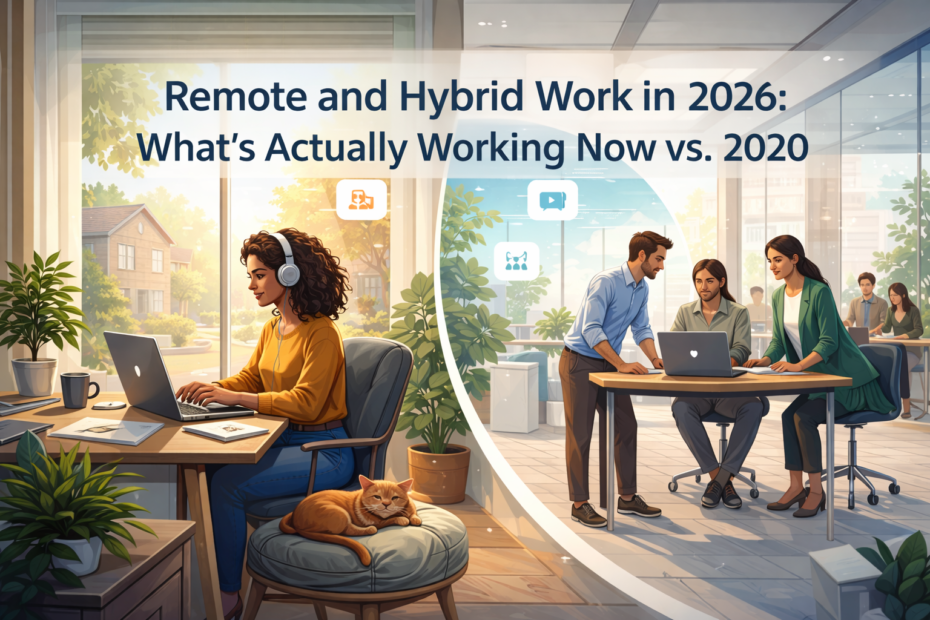
Remote vs Hybrid Work in 2026: What’s Working Now Compared to 2020

Remote work didn’t just survive the pandemic era — it transformed. What began in 2020 as a rushed, emergency response has matured into a more intentional, structured, and performance-focused way of working in 2026. The conversation today is no longer about whether remote work works, but how it works best.… Read More »Remote vs Hybrid Work in 2026: What’s Working Now Compared to 2020

What Makes a Candidate Say Yes to Your Job Offer in 2026

As competition for top talent intensifies, getting a candidate to say “yes” in 2026 is no longer just about salary. Job seekers are more informed, values-driven, and selective than ever. Employers that win talent are those that understand why candidates choose one offer over another—and adapt their hiring strategies accordingly.… Read More »What Makes a Candidate Say Yes to Your Job Offer in 2026

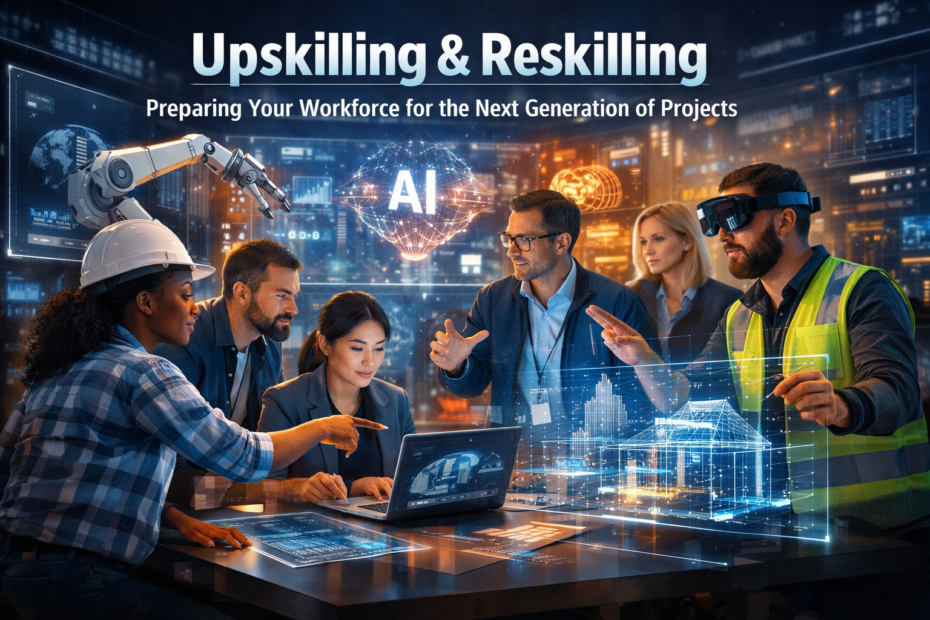
Upskilling and Reskilling Your Workforce for Future Projects

As technology reshapes industries at an unprecedented pace, organizations face a critical question: is your workforce ready for the next generation of projects? From AI-driven tools and automation to advanced engineering methods and digital construction platforms, the skills required today are not the same ones that guaranteed success just a… Read More »Upskilling and Reskilling Your Workforce for Future Projects

AI Isn’t a Job Category Anymore — It’s a Baseline Skill. Here’s How to Catch Up Fast.

AI roles are expanding rapidly, but the more meaningful shift is happening quietly beneath the headlines: AI literacy is becoming a foundational skill across nearly every profession. Recruiters at firms like Blue Signal Search continue to see strong growth in AI-related openings, especially for mid-senior professionals who can apply AI… Read More »AI Isn’t a Job Category Anymore — It’s a Baseline Skill. Here’s How to Catch Up Fast.

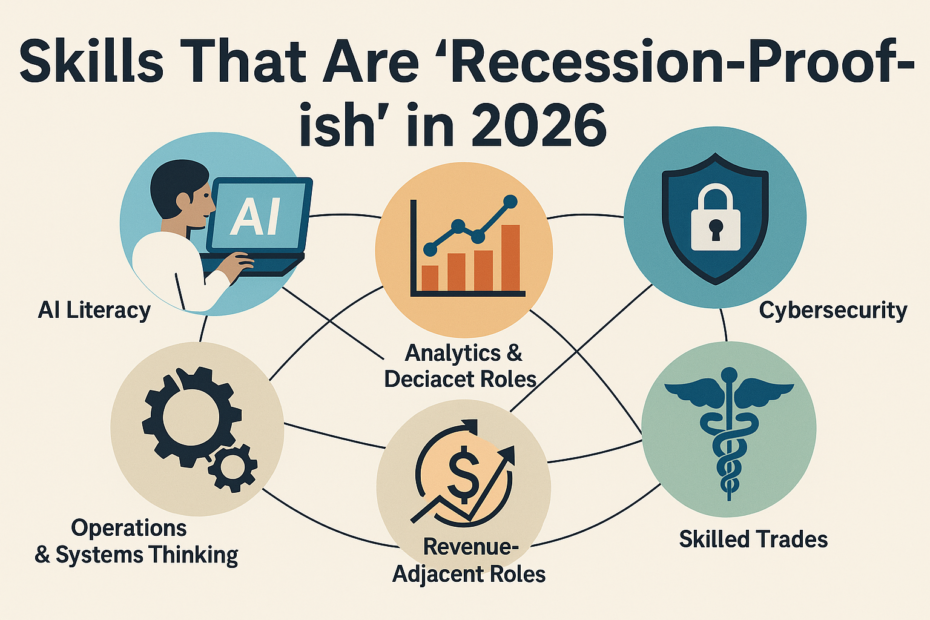
Top Recession-Proof Skills for 2026: AI Literacy, Analytics, Cybersecurity & More

In an economy where headlines swing between optimism and uncertainty, one truth remains consistent: some skills hold their value even when markets shake. As we look toward 2026, a mix of technological acceleration, demographic pressures, talent shortages, and shifting business models are shaping which capabilities will stay resilient—or at least… Read More »Top Recession-Proof Skills for 2026: AI Literacy, Analytics, Cybersecurity & More

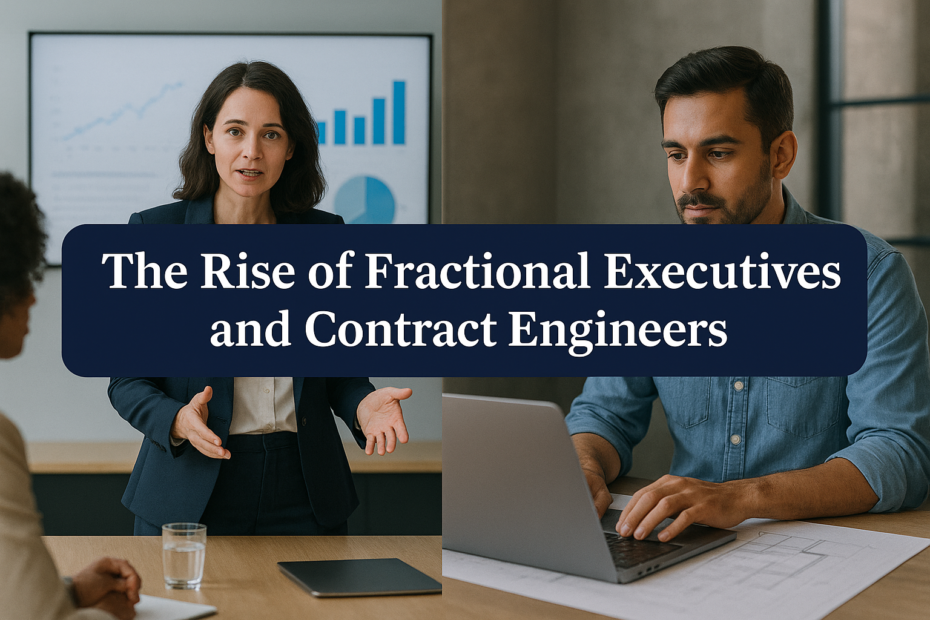
Fractional executive and contract engineer collaborating in a modern hybrid work model.

The Rise of Fractional Executives and Contract Engineers: Exploring Gig-Style Leadership and Technical Roles

In the evolving world of work, two emerging trends are gaining significant traction: the rise of fractional executives—senior leaders who serve multiple companies on a part-time or project basis—and contract engineers, technical specialists hired for predefined project terms rather than as full-time employees. As organizations seek flexibility and specialized skills,… Read More »The Rise of Fractional Executives and Contract Engineers: Exploring Gig-Style Leadership and Technical Roles

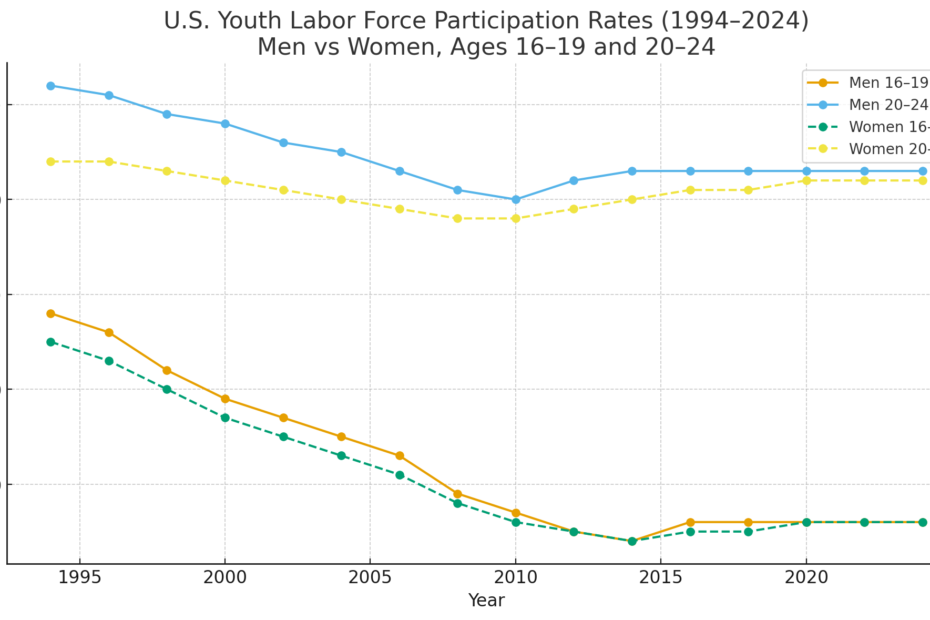
Where Did America’s Young Workers Go? Labor Force Trends Among Men and Women, Teens, and Twenty-Somethings

Over the past 30 years, one of the most dramatic — yet often overlooked — shifts in the U.S. economy has been the decline in youth labor force participation. In the 1990s, most American teenagers and young adults had at least some connection to work. Fast-forward to today, and far… Read More »Where Did America’s Young Workers Go? Labor Force Trends Among Men and Women, Teens, and Twenty-Somethings

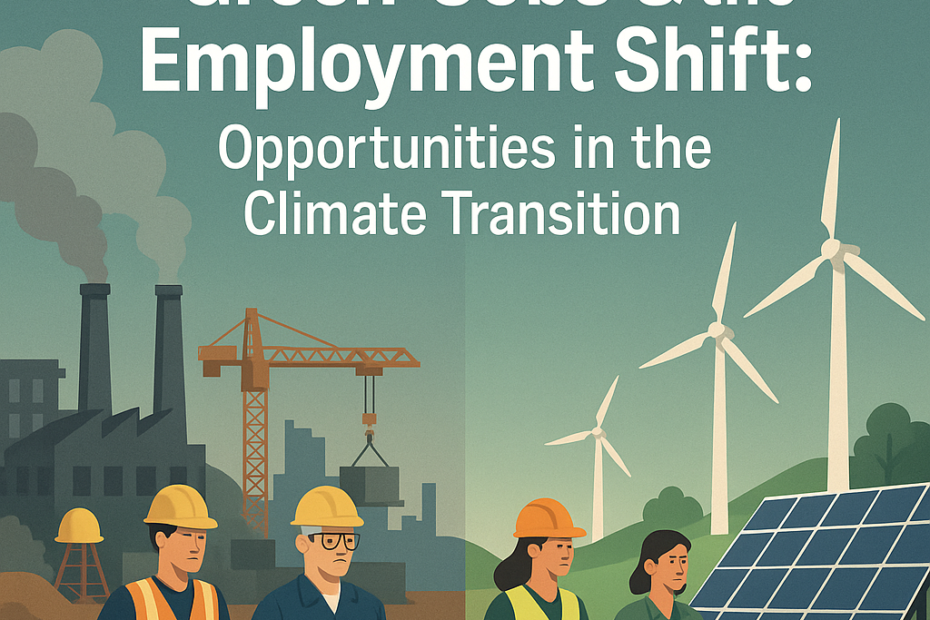
Green Jobs & the Employment Shift: Opportunities in the Climate Transition

The global push to tackle climate change isn’t just transforming how we produce energy or design products—it’s redefining the very fabric of employment. As economies pivot toward sustainability, the “green transition” has emerged as one of the most powerful forces shaping the future of work. According to the World Economic… Read More »Green Jobs & the Employment Shift: Opportunities in the Climate Transition

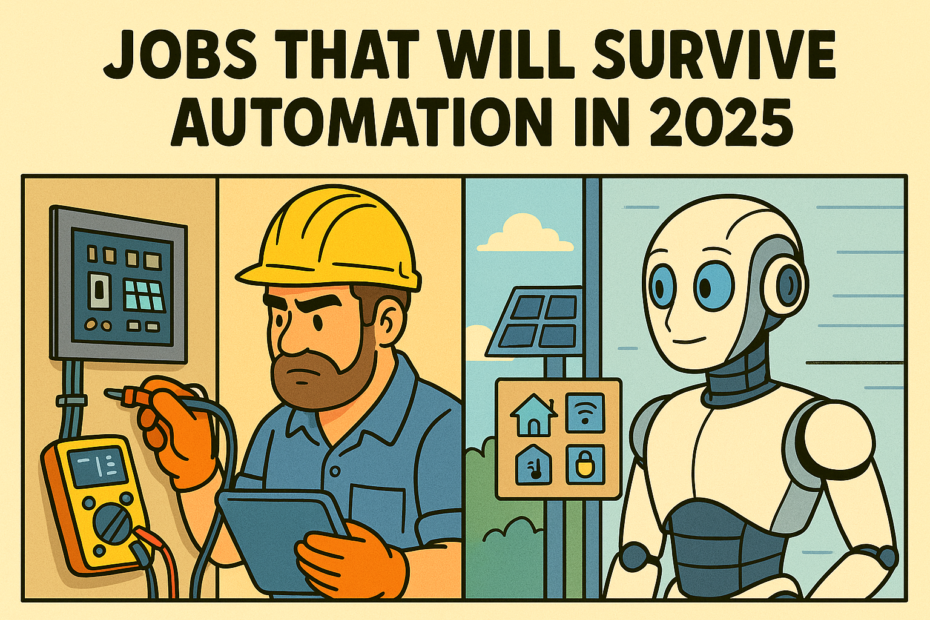
Future-Proof Trades: Jobs That Will Survive Automation in 2025

In an age where automation, artificial intelligence (AI) and robotics are accelerating at breakneck speed, many workers are rightly asking: Which jobs will survive? Many traditional roles are under threat — especially those involving repetitive tasks, predictable workflows, or clearly defined inputs and outputs. But the picture isn’t one of… Read More »Future-Proof Trades: Jobs That Will Survive Automation in 2025

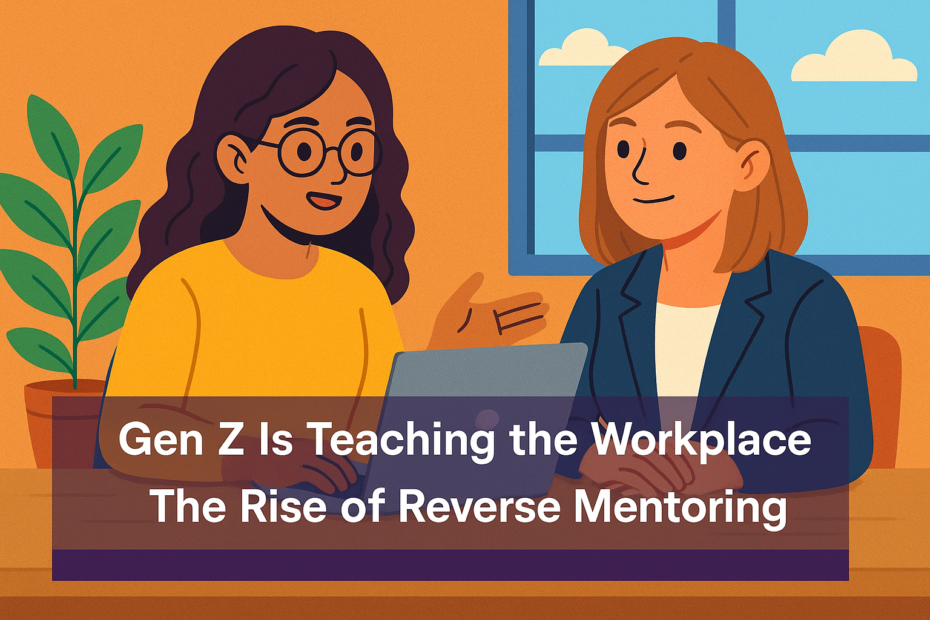
a Gen Z professional mentoring a senior executive in a modern office, representing cross-generational collaboration

Gen Z Is Teaching the Workplace: The Rise of Reverse Mentoring

The traditional flow of workplace wisdom — from seasoned executives down to younger hires — is shifting. Across industries, reverse mentoring programs are empowering Gen Z employees to guide senior leaders in areas like technology, digital culture, and inclusivity. This new model isn’t just about helping older generations “keep up.”… Read More »Gen Z Is Teaching the Workplace: The Rise of Reverse Mentoring

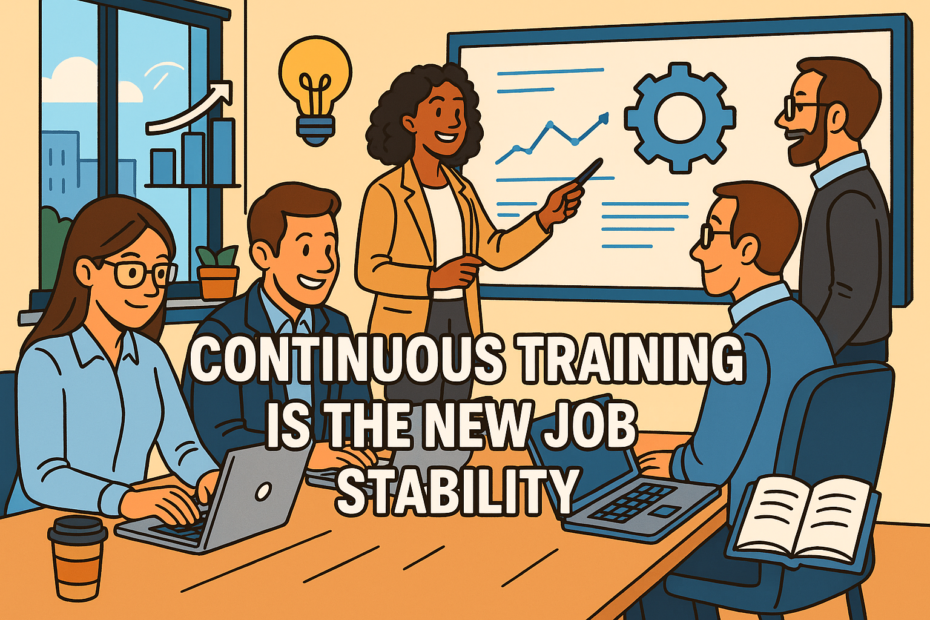
Continuous Training Is the New Job Stability: Why Lifelong Learning Defines Career Success

In an era where technology evolves faster than job titles, the definition of “job stability” has changed. The days when a single skill set could sustain an entire career are over. Today, continuous training—not tenure—is what keeps professionals relevant, employable, and competitive. From Lifetime Employment to Lifetime Learning A generation… Read More »Continuous Training Is the New Job Stability: Why Lifelong Learning Defines Career Success